Become an Electrician: It’s More Than Just Wire Nuts & Circuits
Share Article

Rappelling is Just Part of the Job
The young man sits down on the building’s highest ledge, swings his feet out into thin air, and starts to ease himself over. Slowly, methodically, he lowers himself until only his arms and head are visible over the lip of the skyscraper. Then, he starts walking. Backward.
The soles of his boots contact the glass and steel of this modern office building. Suspended by lines, a safety harness, and even more lines, the young man moves his feet back and begins to descend down the face of one of the tallest buildings in Fort Worth.

FSG’s Eddie Ramirez and James Padron
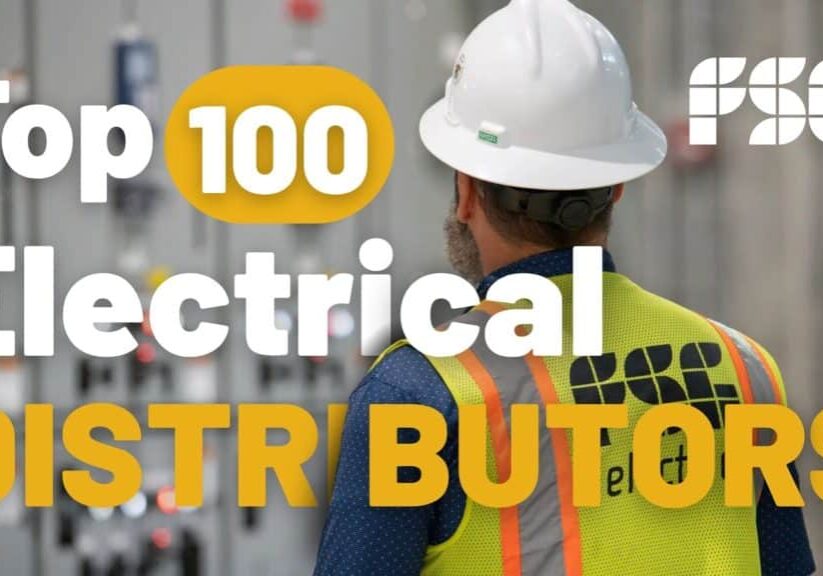
For Eddie Ramirez and James Padron, this is how work begins. Eddie and James are electricians at FSG and are trained and licensed in rappelling.
They walk backward down the sides of skyscrapers to install lights, run wire, perform repairs, and more. Working for FSG, with capabilities including lighting, electrical, technology, and signage, these two are never really sure what a new project might bring.
All they know is that they love what they do.
All they know is that they love what they do. And for those inspired by their story, you might be wondering how to become an electrician in TX. It starts with hands-on training, dedication, and finding the right company, like FSG, that supports your growth every step of the way.
Two Electricians Arriving on Different Paths
They arrived at the tops of these buildings by two very different paths. James was an experienced electrician who had worked with multiple contractors. His introduction to rappelling, though, didn’t come until he started working for FSG.
“I couldn’t get on the team fast enough.”
James Padron, FSG Electrician
What had drawn James to FSG was the variety of work, as well as FSG’s focus on safety. “At the [other electrical contractors], safety wasn’t that big of a concern. FSG, though, is known as a very safe company,” he says as he holds up his harness.
James and Eddie both go through an extensive pre-rappelling safety routine. First, they need to don all their gear, including special pocketed pants, gloves, knee and elbow protection, and headwear.

Next, they must secure their harnesses. Each harness has several points of connection to keep everything–including the person in the harness–right where they’re supposed to be.
As they complete this step and start assembling their ropes and lines, they are constantly checking their own work and checking each other.
Finally, after they’re both satisfied with the integrity of their safety equipment, it’s time to start doing what FSG does. For Eddie, that’s when the real magic begins.

His first job at FSG had nothing to do with climbing and descending massive structures. “When I first started at FSG, I was hired on to work in the warehouse,” he laughs as he looks out over the view from his new “office” two-dozen stories in the air.
“The service department was looking for apprentices, and they came and talked to me about it. They asked me if I was interested, and I said ‘Yes!’”
Eddie Ramirez, FSG Electrician
While many folks looking to get into electrical work must first put themselves through long months of training and study, Eddie was able to do it all on-the-job.
FSG’s in-house Apprenticeship program makes it possible for people like Eddie to keep working (and earning) while they learn an entirely new trade associated with our projects. As part of the program, one of FSG’s journeyman electricians–men and women who have received their own license–took Eddie under his wing and showed him the ropes. Literally.
“The first time I saw [my journeyman] go rappelling, I was like, ‘You’re crazy!”
Eddie Ramirez, FSG Electrician

FSG Electrician Eddie Ramirez
“The first time I saw [my journeyman] go rappelling, I was like, ‘You’re crazy!” he says while he and James prepare their tools. When starting to train as an electrician for a Dallas commercial electrical contractor, Eddie never imagined this would be the conversation he would have. But Eddie couldn’t help but feel intrigued. Before he knew it he was slithering down skyscrapers, too.
Much More than Wire Nuts and Circuits
For James and Eddie, working as rappellers at FSG is a chance to see and do things they never could have imagined. “I wanted to do something more than work at a warehouse,” says Eddie.
“Rappelling at FSG is my favorite thing to do at work!”
James Padron, FSG Electrician
“Rappelling at FSG is my favorite thing to do at work,” James says simply. “I’ve definitely enjoyed working at FSG for the last sixteen years,” he grins.

Great pay, great benefits, opportunities to advance, and–perhaps most importantly–a fun and family-like working environment: those are the things that all FSG employees take from their careers. For James and Eddie, the unique nature of their works makes it all that much more special.
“I enjoy coming to work every day,” Eddie says, as he and James wrap up the day’s rappelling and replace all their lines and safety equipment. “I’m comfortable here, and I like the people I work with.” He and James exchange a fist bump as they get ready to descend the building for the final time–this time, using the stairs.
“It’s just a great company,” Eddie says, looking at the FSG logo.
Embark on a Career with FSG
Are you looking for a job that will take you out of the ordinary, that will give you the chance to do something unique every day? Do you want great compensation, but also a culture of safety, fun, and helpfulness? Does working on the highest buildings sound like the perfect challenge for you?
It’s not just our team saying it. FSG was ranked #64 nationally on the 2026 USA TODAY Top Workplaces list, based on confidential employee feedback.
If you always thought being an electrician just meant tightening wire nuts, or connecting circuits, James and Eddie have a different perspective to offer. Their job–and, really, all positions at FSG–are hardly ever the same from one day to the next. Electricians at FSG work in the biggest cities, on the tallest structures, installing, repairing, and maintaining complex and exciting technologies.
Whether you’re an experienced journeyman, or someone looking to start something completely new, FSG has a path that’s right for you. Visit our Careers page today to learn how an electrical career can not only be exciting but change your life.
Frequently Asked Questions
What is a “rappelling electrician” (or rope access electrician), and what kinds of jobs do they do?
A rappelling (rope access) electrician is trained to work safely at height using ropes and harnesses to access hard-to-reach areas on high-rise buildings. They install lights, run wire, and perform repairs, often on skyscrapers where lifts or scaffolding aren’t practical.
Do you need special certifications to do rope access electrical work?
Yes. Beyond electrical licensing, rope access work typically requires formal rope access training and certification to prove safe work-at-height competency. Industry organizations like SPRAT certify technicians through written and performance-based evaluations across multiple levels.
Is rope access (rappelling) work actually safe?
Rope access is designed around redundant systems and strict procedures, often using a working rope plus a backup safety rope, along with routine gear checks and rescue readiness. The blog highlights FSG’s strong safety culture, and SPRAT notes that independently certified rope-access programs have a strong safety record when procedures are followed.
How do you become an electrician at FSG if you don’t have prior experience?
FSG has an in-house apprenticeship program that allows people to keep working while learning the trade under a licensed journeyman. The post uses Eddie’s story, starting in a warehouse and training on the job, as an example of how career paths into electrical work can begin internally.
What should you expect physically and mentally from high-rise electrical work?
Rope access and other work-at-height roles require comfort working above ground, strong attention to detail, and the discipline to follow safety procedures every time. Training guides for rope access careers also emphasize fitness, endurance, and the ability to stay calm and focused while managing tools and tasks in demanding conditions.